Superbowl Sunday brought a football game that many are calling lackluster, and a halftime performance that was received as anything but.
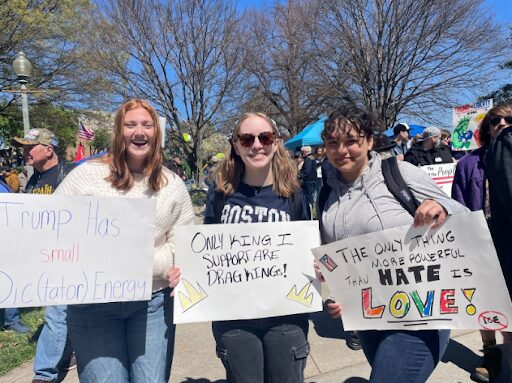
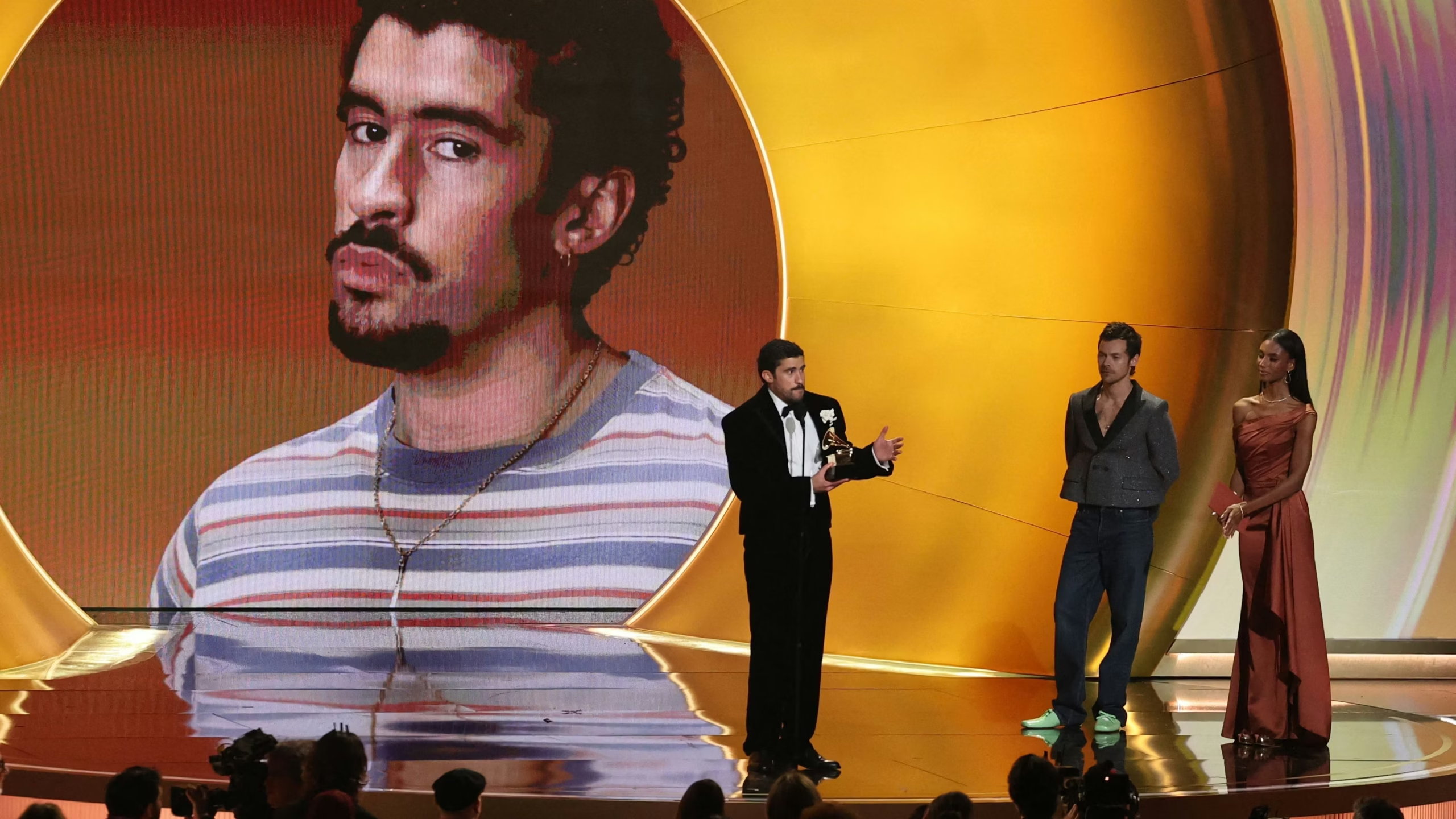
Bad Bunny, a Puerto Rican pop star and recent Grammy winner, performed at the Superbowl Halftime Show this week. Featuring songs such as “DeBÍ TiRAR MáS FOToS” and “Tití Me Preguntó”, the artist delivered a performance almost entirely Latin American in both language and production. The performance was full to the brim with potent references and symbols, notably the light blue flag of the Puerto Rican independence movement. In addition, impossible to miss, boldly displayed behind Bad Bunny’s performance on a giant billboard were the words “The only thing more powerful than hate is love.”
In the week leading up to his performance, I saw reminiscing on Kendrick Lamar’s powerful performance last year, which was similarly seen as bold, controversial, with both performances uplifting non-white communities. Both performances are beautiful and powerful in their messaging. Interestingly, however, Bad Bunny’s performance seems to make use of a different tactic in achieving that message.
On a personal note, I spent the last week at the American College Theatre Festival, as is mentioned in the entertainment section of this publication. At this festival I heard a variety of speeches and statements on the art being uplifted, many of which emphasized the cultural and political importance of art as a reflection of the truth. The reminder landed with hopeful trepidation, at a time when many student artists have voiced inner conflict over the importance of their own work in light of the deadly nature of modern US politics.
Bad Bunny’s performance is proof. It is bright, danceable, uniting and inspiring. Bad Bunny reminds us that proudly representing and actively celebrating marginalized voices and communities is a force of change and resistance in and of itself.
Despite the consistently vile and frustrating rejection of such cultures by powerful political forces in the country at this time, there is still so much joy and pride to be had in your identity, history, and culture. And, as Noah Shachtman of the NY Times Opinion Section said this week, “America’s pop culture is today multilingual, polycultural and international at its very core.”
Maggie Raker
Opinion Editor