On Feb. 7th in Montgomery, Alabama, Roanoke College swept the award ceremony at this year’s annual Region 4
American College Theatre Festival; also known as “ACTF” for short. Three notable students in particular won astonishing
first place prizes in their respective categories, practically unheard of. This was a tiny department with a limited budget
against humongous universities with MFA programs across the entire southeast area of the country, and yet, Roanoke College managed to make a notable impression across them all.
To celebrate this momentous occasion, I’ve had the pleasure of interviewing senior Kennedy Swineford, junior Bella Testerman, and junior Allison Dunnegan about their ACTF experience and theatric processes.
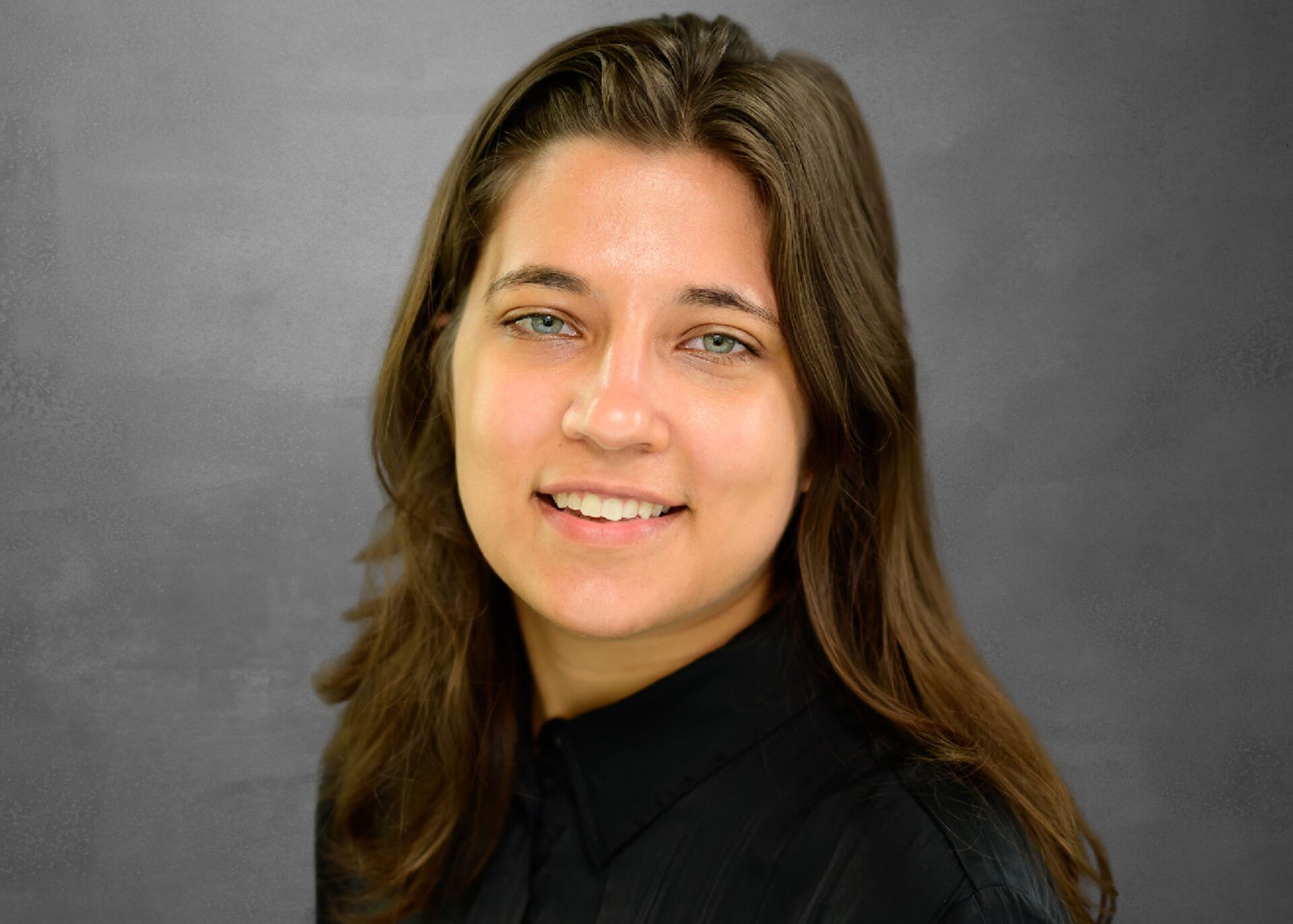
Junior Bella Testerman is a biology major and Spanish minor with a knack for historical research. Able to pull out historical context of a production by the drop of a hat, she’s earned the Program Note Award for Ten-Minute Play Festival. Out of every ten-minute play organized at the festival, her intuitive research and compelling program came out on top. Here’s what she had to say in her recent interview:
Q: What were your first initial thoughts and feelings upon winning the ten-minute play category for dramaturgy? How would such a win impact your future?
“Shocked, I didn’t think I was going to win an award. Not sure if it would impact my future, but this reflects my passion for research, and I enjoy participating in my love for theatre.”
Q: What was your process to prepare for ten-minute plays? Were there any specific strategies you used?
“I started off by doing a glossary, then character analysis for the characters in the scene. Further on, it helped me develop a program note. I worked with the playwright to reach its final form before presenting it officially.”
Q: What’s your history/background with dramaturgy? How did it become your passion, and is it a potential career path for you?
“It started over the summer because I helped do a little bit of dramaturgy for Shrek Jr, and I was familiar with Little Women; so when Nelson reached out for dramaturgy I was interested. Not sure if I would do it for a full time profession, but if a local theatre needs help, I’m willing to reach out.”
Q: What was your experience like attending your first ACTF festival?
“It was really great! I loved seeing the diversity in the shows, and I think it was a really great opportunity to see shows with deeper topics and mature topics that you don’t commonly see anywhere else– especially productions such as Camp Logan.”
Q: Did Roanoke College Theatre have an impact towards your growth in dramaturgy? If so, what are some examples?
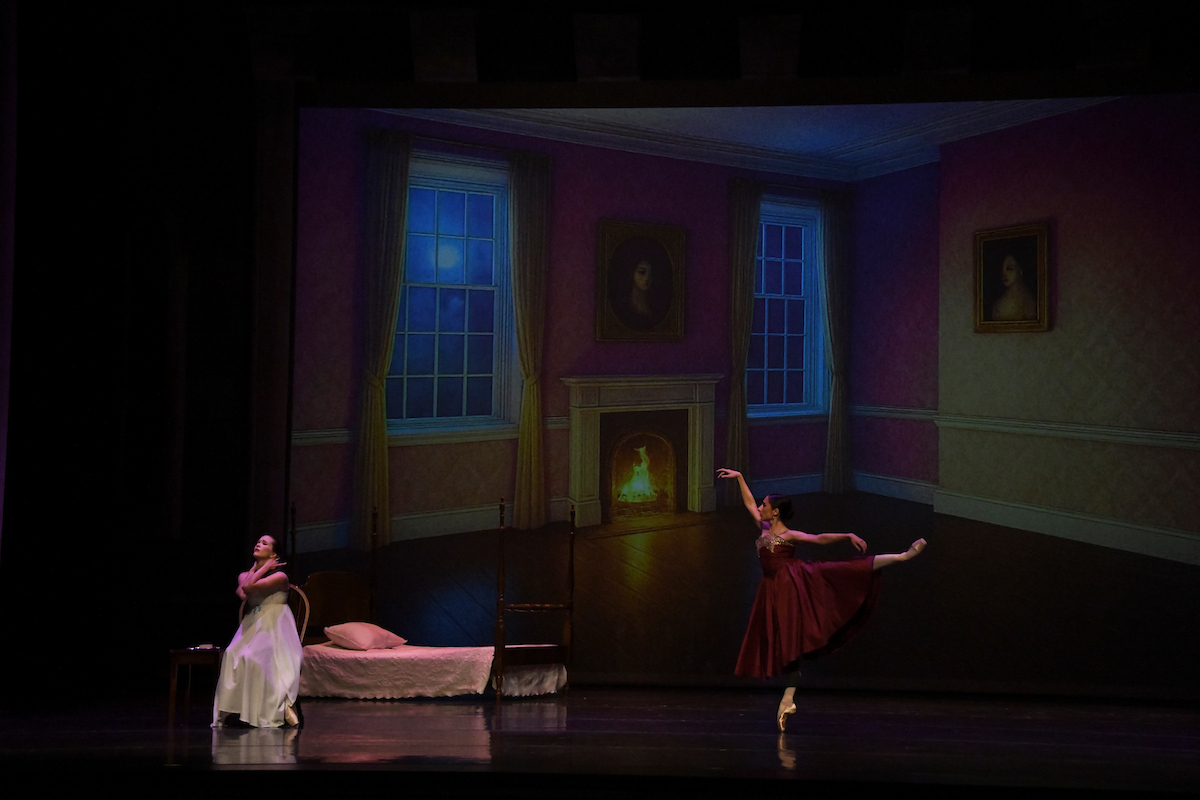
“I definitely think so. Having previous examples of A Monster Calls [past Roanoke College theatre production] helped me, Nelson was very helpful towards what I should focus on. Then writing the notes for Little Women, asking the cast questions, and what the cast wanted from their characters more so really helped me grow in dramaturgy.”
Q: What are your next steps after such an accomplishment?
“I have to do more dramaturgical work next semester for a play, and I got feedback from ACTF on how I can make my research better. This summer I’m going to be helping a local theatre Willis Players, helping the kids know what to research about their characters.”
Q: If you could talk to your younger self, what advice/statements would you tell her?
“Be confident. Keep up with theatre, you’ll find your people there!”
Q: Any closing comments or people who’d like to thank?
“My family. They’ve always supported me and my theatre endeavors. And the department for giving me endless resources and opportunities. Dr. Carlson-Jaquez [theatre professor at Willis Players] helped me do theatre and grow as a more confident person.”
Note: Dr. Carlson-Jaquez is a professor in theatre at Willis Players
Relationship with Willis Players
“Local church theatre group, and was asked to join since it was really small. Then doing it since Godspell, their first production before COVID-19. Once I turned 18, I did stage management and directing.”
Zachary Bayers
Editor-in-Chief