Editor’s note: Unless congress has come to a budget agreement, on the day of this issue’s publication, the government has been shut down for 37 days.
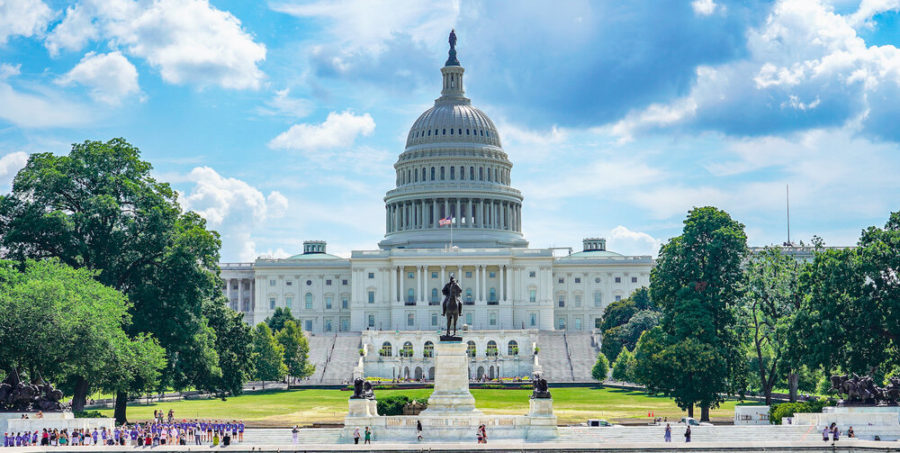
The current government shutdown just broke the record for the longest government shutdown in United States history, a record previously held by the shutdown of 2019. This has affected food access, transportation, and much more, creating uncertainty and confusion for the country.
Beginning on October 1, the government shut down due to a budget disagreement for the year of 2026. With a Senate and House of Representatives divided in ideals and beliefs, there has been debate as to whether services and organizations should receive more funding. Programs across the United States are currently paused as congress works through this issue.
Many programs and organizations that Americans rely on for their health have been placed on pause during the shutdown. This includes organizations such as the National Institute of Health (NIH) and assistance initiatives such as the Supplemental Nutrition Assistance Program (SNAP), also known as food stamps.
Health programs have already been meddled with under the Trump Administration, with changes to eligibility restrictions for programs such as Medicaid, restricted health communication, and the withdrawal from the World Health Organization (WHO), according to Science Direct.
However, with the current shutdown, individuals and families that rely on government assistance are even more at risk. Essential services, such as SNAP benefits and school programs are not in action currently, leaving Americans to find other ways to feed and take care of themselves and their families.
It is not just health that is affected by this disagreement. Other government-reliant organizations are impacted, such as air travel. With preexisting staff shortages, it has become hard for the limited number of employees to continue to work without pay during the shutdown. According to ABC News, The Secretary of Transportation Sean Duffy issued a statement to the Democratic party warning them of closed airspace and mass cancellations if the shutdown persists.
However, Americans are varied in who they believe holds the blame for the shutdown. In a study completed by PBS and NPR news, it was found that 38% believe Republicans were at fault, 27% believe it was Democrats, and 31% believe that both parties are to blame. Whether it was Democrats or Republicans, the red and the blue suffer the consequences of this historic shutdown.
Kara Hopkins
News Editor