Written by Kara Hopkins, News Editor
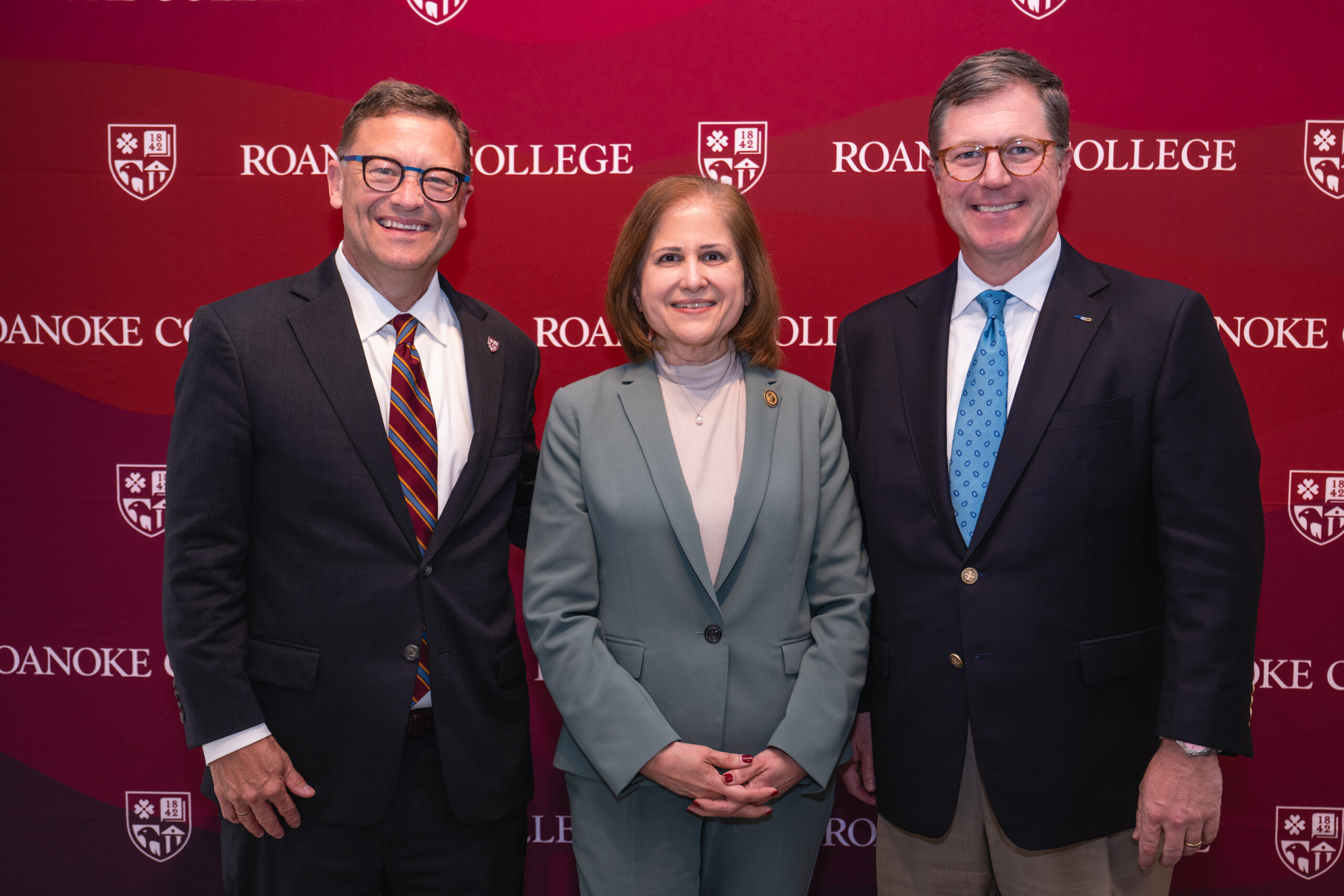
Lt. Gov. Ghazala Hashmi visited Roanoke College in September as part of her “Literature and Government” lecture series.
Elected Nov. 4, 2025, Hashmi has focused her governmental duties on systemic issues, such as the foster care system, education, and poverty. Her work experience has close ties to her agenda. She previously worked as a State Senator; but started her career in education. According to her website, she was a professor of English at the University of Richmond and at J. Sargent Reynolds Community College. Her connection to literature in her series can be linked to this.
She lectured in Olin Theatre as part of her series intersecting literature and government. She made an agenda to visit both public and private schools in Virginia, tailoring the topic of discussion to something relevant in the area. For Roanoke, she chose poverty and the associated risks that are often exemplified throughout poor Appalachia.
This connection was examined through two pieces of literature, Charles Dickens’ “David Copperfield” and Barbara Kingsolver’s “Demon Copperhead”. These books explain institutional poverty, the struggles of orphaned children, and drug addiction through intense storytelling.
In her lecture, she explains how real world topics are brought to light through literature, and how these stories help start hard conversations.
She mentioned in this lecture that stories like these help “build on my own experience of teaching American literature, and now extend that information into an assessment of the work that I do within the Virginia State Government”, Hashmi says.
The Brackety-Ack had the chance to interview the Lt. Gov. after her lecture about the impact of her college visits, both for the students and herself.
When asked how college students can make an impact in mitigating systemic failures, she stated that college students already have experience in the spaces that have been failed.
She claimed “students are already understanding the concerns that so many are facing in our communities, and many college students bring these experiences directly into the classrooms”.
This is true, that students come from diverse backgrounds, and often bring the lived experiences that her lectures discuss. She used the example of the foster care system, both in her lecture and in the interview. In her previous time as a professor, she taught many students who had been incarcerated, or “faced trauma and poverty”. She stated many of those experiences originated in the foster system. She emphasized that these experiences help spark change.
“They understand the need for change, and they are positioned so effectively to bring a necessary voice to the necessary change that has to occur” she explains.
Overall, she echoes throughout the interview that students and communities desire a new type of change.
“We are not encouraged to talk about the issues that impact us and by having these conversations, inviting students in, and engaging with the broader community, it opens up an opportunity for us to think about a lot of different big topics”, she says.