Written by Zachary Bayers, Editor-in-Chief
As of Sept. 18, Virginians have been voting and voicing their opinions on the proposed Question 1 amendment. For those who aren’t aware, Question 1 is a reproductive freedom amendment with the goal of securing reproductive and abortion rights in Virginia. Although abortion is legal within the state, some residents have had concerns about the security of those rights with administration changes, thus pushing for the passing of Question 1 to guarantee that decisions on prenatal care, childbirth, postpartum care, contraception/birth control, abortion, miscarriage management, fertility care and more are all protected.
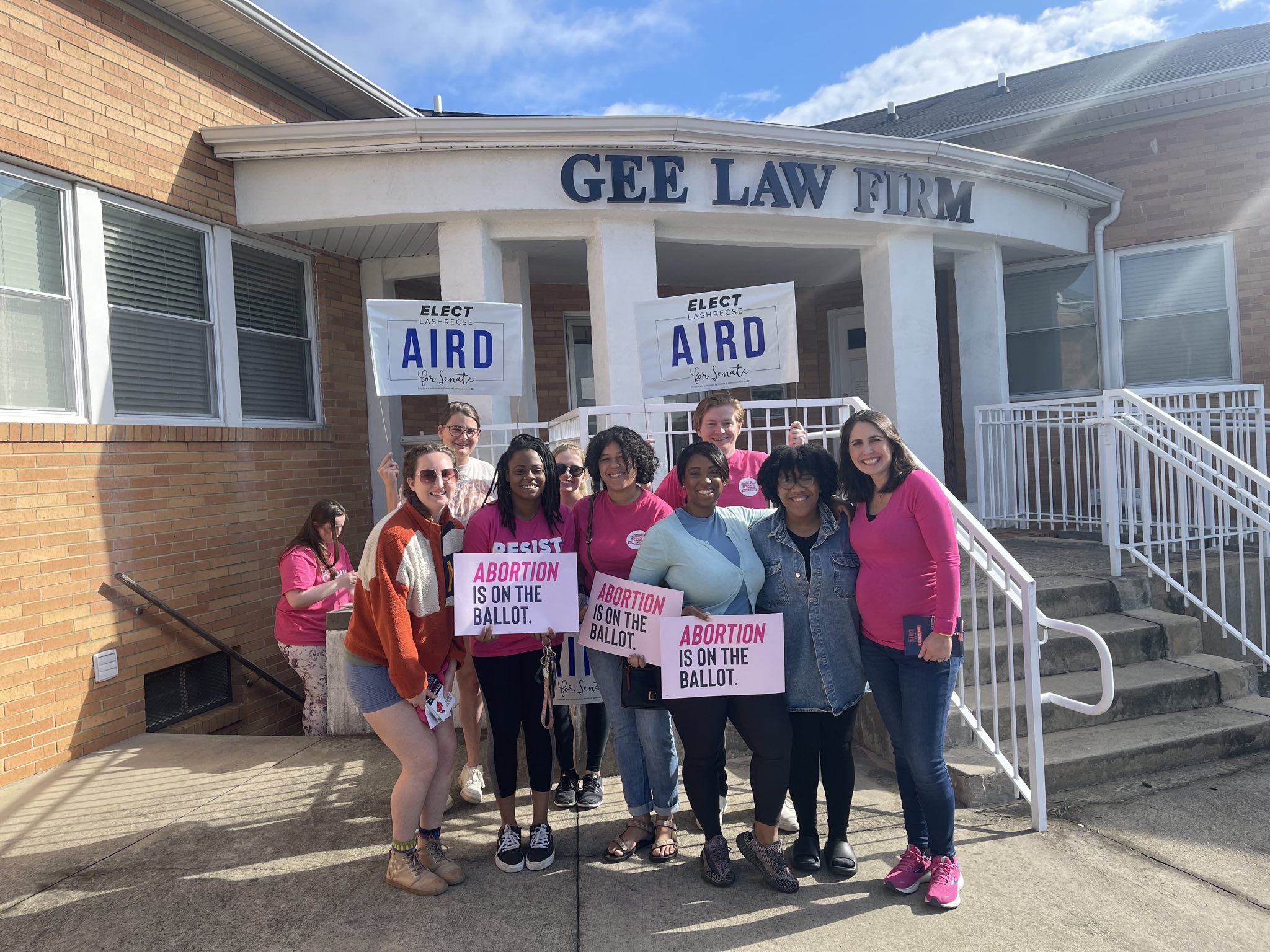
Planned Parenthood Advocates of Virginia has been raising awareness on Question 1, hosting campaigns to encourage Virginians — especially college students — to vote yes for reproductive rights. Executive Director Jamie Lockhart was willing to comment more on the topic in an interview, which you can also watch on our MaroonTube channel.

Q: A couple of weeks ago, Planned Parenthood hosted a “Student Invasion” event where you got the chance to interact with college students. What were your biggest takeaways from engaging with college students, and what did you hear directly from them that stood out to you?
Lockhart: “We work with a lot of different college students throughout the year. And just recently, Virginians for Reproductive Freedom, which is our campaign to pass the reproductive freedom amendment, had a student engagement invasion weekend where students went out and knocked on doors. Some students even went to each other’s dorms to knock on doors on college campuses. What we heard from students is that this is such an important issue to them, and that they want to make sure that they can make their own reproductive health care decisions without government interference. They recognize that they have the most at stake in this election because of how reproductive health care issues impact young people the most; especially toward being able to control their reproductive futures.”
Q: Why do you think college students are an important part of this campaign?
Lockhart: “I think college students have so much at stake. I am a proud graduate of James Madison University — go Dukes — and I remember that time after high school and starting college thinking more about birth control; making sure that I was going to be able to continue my education, finish my education, and be able to decide what, when, or if I would have a family. Now as a mom of two, I think about wanting to make sure all college students have the opportunity to make their own reproductive health care decisions. That’s why it’s so important to have college students involved, because again, they know how much is at stake. This is also a year where there’s not a presidential candidate on the ballot, so it can be a lower turnout year. We want to encourage college students to make sure that they’re reminding their classmates that this is on the ballot this November.”
Q: For a student who hasn’t followed the amendment closely, what exactly would change in Virginia’s constitution if the Question 1 reproductive freedom amendment passed?
Lockhart: “The constitutional amendment amends our state constitution to ensure we can make our own decisions around reproductive health care from contraception to childbirth. This includes protecting our freedoms to access prenatal care, childbirth, postpartum care, birth control, abortion, fertility care, and miscarriage management. It allows restrictions on abortion during the third trimester, except when the patient’s health is at risk or their pregnancy can survive. Why does this matter? People might say: ‘Well, abortion is currently legal in Virginia, so why are you doing this?’ Right now, the Virginia constitution does not recognize the right to reproductive health care, which means our freedom to access reproductive health care could change depending on who’s in office. Currently, we’re fortunate to have a supportive governor and a supportive legislature, but that wasn’t the case even a few years ago, where we had a governor who was not supportive of reproductive freedom as well as legislators who are not supportive. That’s why we have this unique opportunity to not only say that this is a priority in Virginia’s constitution, but a priority for years to come.”
Q: What are some misconceptions you’ve encountered about what the amendment would actually do?
Lockhart: “We have seen a good amount of misinformation around whether it would get rid of all regulations, and which, again, is not true. This amendment simply protects a range of reproductive health care. It says that doctors and nurses cannot be prosecuted for providing that care. Patients cannot be prosecuted for accessing that care. But, it does allow restrictions later in pregnancy. We have seen some residents who want to ban abortion in Virginia, who are against access to contraception, and really put misinformation out there because they know that the vast majority of Virginians want to protect reproductive health care. As a result, they are saying things, I think, to try to scare Virginians. But Virginians don’t need to be scared. This amendment is simple, it’s reasonable, it protects reproductive health care and blocks government interference.”
Q: What is your response to concerns about third-trimester abortion?
Lockhart: “What this amendment states is that this range of reproductive health care is protected, but it does allow restrictions on abortion in the third trimester; except when the pregnant person’s health is at risk or the pregnancy cannot survive. We have seen very harmful impacts in states across the country where the legislature’s code is not clear on what happens in situations later in pregnancy. I was just reading a story this week about a case in Tennessee where a fetus had developed anencephaly, which means it’s developing without a brain. In Tennessee, the couple could not have an abortion, even though there was not a viable pregnancy there. And the couple, I think, traveled to Illinois in order to have an abortion. So, this amendment is clear to ensure we don’t want to have that happen in Virginia. We don’t want pregnant people to have to travel out of state because their health is at risk, or the pregnancy is not viable; however, this still does allow restrictions later in pregnancy, so people who are saying otherwise are not being truthful.”
Q: Planned Parenthood has emphasized that reproductive freedom doesn’t just mean whether care is legally protected, but whether people can access it, too. What barriers to access are you most concerned about in Virginia right now?
Lockhart: “First and foremost, we have been concerned about how to make sure that reproductive health care continues to be protected. We’ve seen state after state in the South ban abortion, Virginia being the only state in the South since the Dobbs decision where the US Supreme Court overturned Roe v. Wade hasn’t implemented an extreme abortion ban. So that has been what we’ve really been focused on. The other thing we’ve been focused on is federal attacks. In the last year, from July 4, 2025, until July 4, 2026, Planned Parenthood was federally defunded and blocked from being reimbursed for care provided to Medicaid patients. We saw the detrimental impacts of that across the country and here in the Commonwealth of Virginia. We know that it’s important to make sure not only that people have the legal right, but that they also can go and use their Medicaid to be able to access the health care that they need.”
Q: With Election Day approaching, what do you think Virginians, especially college students, should be paying the most attention to as they learn about reproductive rights and this amendment?
Lockhart: “Well, first I would say while Election Day is Tuesday, Nov. 3, voting started last Friday, Sept. 18, so Virginians can go out and vote now. Thousands of Virginians have already voted. Actually, I think I saw over 30,000 Virginians vote in the first couple of days of early voting, which was triple from what we saw in 2022. It’s really exciting to see how many Virginians are already getting out to vote this cycle. I also want to reiterate what this amendment does and the opportunities it provides. We have the opportunity in Virginia to enshrine reproductive freedom in Virginia’s constitution, and protect a range of reproductive health care for decades to come because it’s a long process to get it in the Virginia constitution. We had to work with the legislature to pass a constitutional amendment twice in two different legislative sessions with an intervening election, and now it’s up to voters. I’m really grateful for this historic opportunity to protect health care in Virginia’s constitution so that no politician can take away our ability to make our own reproductive health care decisions.”
The Brackety-Ack also contacted students against the Question 1 amendment; however, they did not wish to reply or have an interview.
No matter your opinion on the matter, please be sure to vote at your local poll and express your voice; especially as a college student. For more information, you can check out 1va.org to make an informed decision.